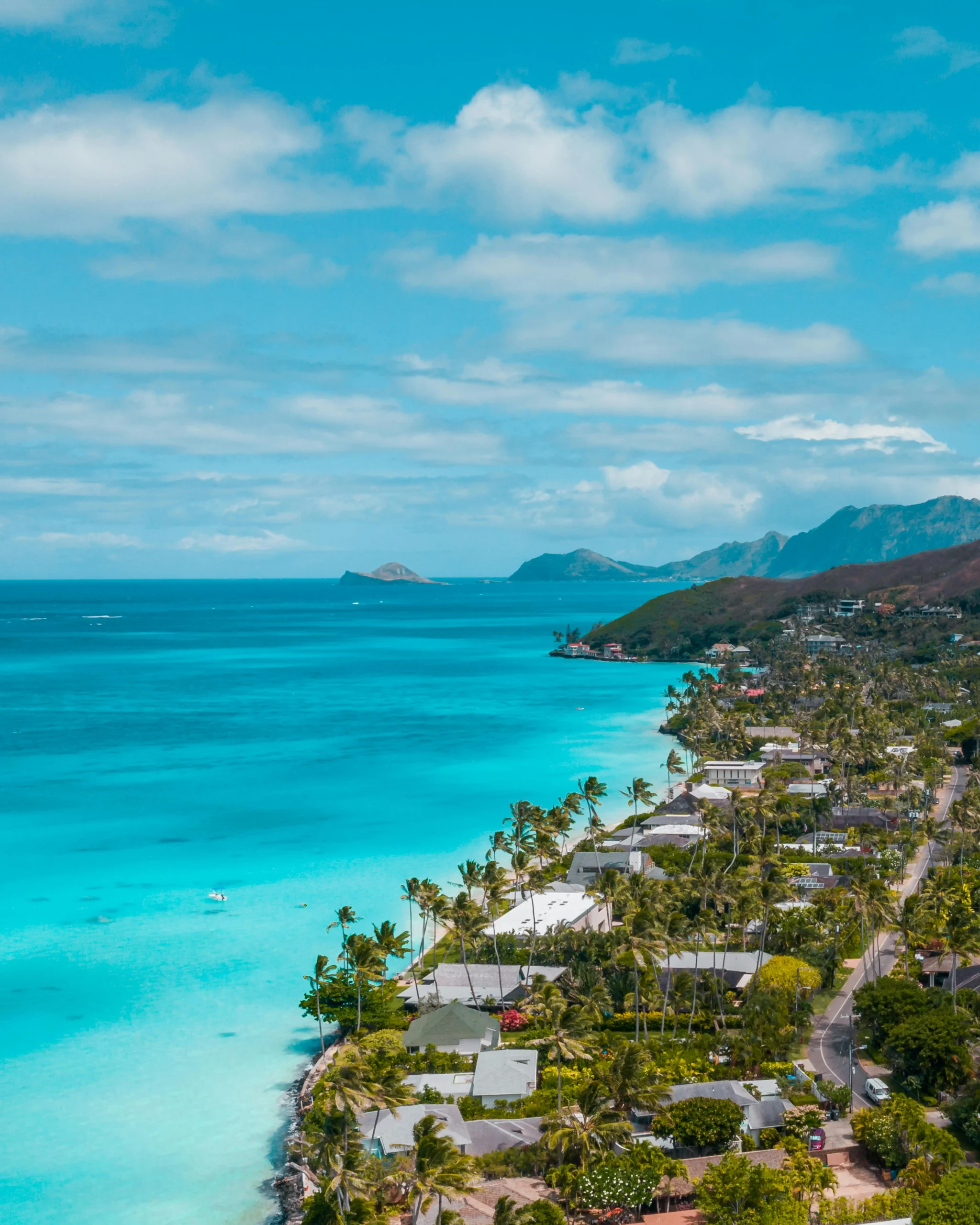
Fiji is not just a destination; it’s a vibrant, life-affirming experience, a tapestry woven with impossibly blue water, sun-drenched beaches, and a culture of warmth that instantly makes you feel at home. From the moment you step off the plane, the genuine and enthusiastic cry of “Bula!” embraces you, signalling your arrival in a land defined by its legendary hospitality—the Bula Spirit. This isn’t your average beach getaway; it’s an island nation where ancient history and rich traditions live side-by-side with world-class luxury and exhilarating adventure. We’re talking about a thriving, modern South Pacific paradise built upon a fascinating, resilient past that will captivate your imagination.
This is your official invitation to look beyond the picture-postcard perfection and dive deep into the heart of the Fijian archipelago. We will embark on a journey, exploring the historical milestones that shaped this nation, from the ancient Lapita settlers to the rise of powerful chiefs and the dramatic colonial era. Most importantly, we will show you exactly how to experience this rich legacy for yourself, guiding you through the must-see historical sites and cultural rituals that add profound depth to your holiday. Prepare to be persuaded: Fiji is more than just a beautiful backdrop for your next selfie; it is a transformative travel opportunity that promises adventure, relaxation, and an unforgettable connection to a magnificent culture.
Table of Contents
1) Embrace the Bula Spirit: Fiji’s Unbeatable Welcome
2) A Timeless Legacy: A Journey Through Fiji’s History
3) Ancient Footprints: Unveiling Fiji’s Historical Gems
4) Living Culture: Immersing Yourself in Fijian Tradition
5) Myths, Legends, and the Divine Archipelago
6) The Future is Bright: Fiji’s Thriving Tourism Economy
7) Your Adventure Awaits
1) Embrace the Bula Spirit: Fiji’s Unbeatable Welcome
The first thing you must understand about Fiji is that your trip starts long before you ever see a postcard-perfect beach. It begins with a word: Bula.
This isn’t a mere “hello.” Consequently, as you arrive at Nadi International Airport or step onto the dock of a private island, this single word is shouted with a genuine, infectious enthusiasm that instantly dissolves your travel fatigue. Bula actually translates to “life” or “health” in the Fijian language, and when a local offers it to you, they are essentially wishing you a long and vibrant life. It is this profound well-wishing that defines the globally famous Bula Spirit.
Ultimately, the Bula Spirit is the very soul of Fiji, an overwhelming, benevolent force of warmth, hospitality, and pure joy that permeates every interaction. Fijian people, historically tied to strong communal living, naturally extend this spirit to visitors. Furthermore, this isn’t a manufactured tourist gimmick; this is a centuries-old cultural inheritance that makes every visitor feel like an instantly welcomed member of the extended family (Vuvale). Thus, you will find that a smile and a friendly Bula will open countless doors, transforming a simple vacation into an enriching, human experience. Moreover, this authentic, heartfelt welcome is what truly distinguishes Fiji from any other sunny destination on Earth. Therefore, be ready to not just see Fiji, but to feel it, heart and soul.
2) A Timeless Legacy: A Journey Through Fiji’s History
To truly appreciate the vibrant now of Fiji, you must first acknowledge the powerful then that forged it. Initially, the story of Fiji begins over three millennia ago with the arrival of the Lapita People. These master navigators and potters were the ancestors of today’s Polynesians and Melanesians, and their distinct pottery shards, unearthed at sites like the Sigatoka Sand Dunes, unmistakably mark the dawn of Fijian civilization.
The Chiefly Era: A Time of Might and Meke
Subsequently, centuries passed, and powerful chiefdoms emerged, dominating the island landscape. This was a dynamic period of alliances, art, and at times, conflict. Consequently, the tiny, fortified island of Bau off the coast of Viti Levu became the paramount power, establishing a dominance that echoed across the archipelago. The most legendary chief of this era was Ratu Seru Cakobau, who effectively reigned as the Vunivalu (Warlord) of Bau, an imposing figure whose influence was so vast that he was eventually persuaded to declare himself the Tui Viti (King of Fiji) in the mid-19th century. Therefore, visiting the remnants of these ancient chiefly islands and fortifications provides a tangible link to the age of warriors and legends.
European Contact and the Colonial Period
The first European to sight the islands was Dutch explorer Abel Tasman in 1643, and later, Captain James Cook in 1774. However, it was Captain William Bligh, following the infamous Mutiny on the Bounty in 1789, who charted a large part of the group. Then, in the 19th century, European and American traders—lured by sandalwood and bêche-de-mer (sea cucumber)—began to settle, most notably in the future first capital, Levuka.
Eventually, after years of escalating unrest and foreign claims, Ratu Cakobau made the monumental decision to cede Fiji to Great Britain in 1874. This act, known as the Deed of Cession, marked the start of 96 years as a British Crown Colony. Significantly, it was during this period that the British brought over thousands of indentured labourers from India to work on the sugarcane plantations, a historical event that profoundly shaped the modern, multicultural demography of the islands.
The Path to Independence and Beyond
Finally, on October 10, 1970, Fiji peacefully achieved its independence, marking a momentous day of national pride and celebration. Since then, the nation has steadily forged its own identity as a sovereign, modern Pacific nation, with the resilience of its people guiding its path. Today, you are actively participating in the next chapter of this incredible story. Because of this profound and diverse history, your holiday becomes more than just a break; it becomes an educational, meaningful voyage through time.
3) Ancient Footprints: Unveiling Fiji’s Historical Gems
Your Fijian journey will be immeasurably enriched when you personally explore the physical evidence of this nation’s past. Certainly, Viti Levu, the main island, and its surrounding archipelagos hold a multitude of sites that bring the history to life.
🏛️ Levuka Historical Port Town, Ovalau Island
First and foremost, you must make a pilgrimage to the Levuka Historical Port Town. Located on Ovalau Island in the Lomaiviti Group, Levuka holds the prestigious title of Fiji’s first colonial capital and is a UNESCO World Heritage Site. Consequently, walking the quiet, picturesque main street is an immediate, immersive step back into the mid-19th century.
- Experience: Gaze upon the well-preserved wooden buildings, including the old Town Hall and churches, which vividly reflect the unique blend of local tradition and colonial architecture.
- Significance: Levuka is a rare example of a colonial port town where the indigenous community consistently outnumbered the European settlers, demonstrating a remarkable and resilient cultural survival. Indeed, it is a testament to the enduring Fijian way of life.
⛰️ Sigatoka Sand Dunes National Park, Viti Levu
Next, journey to the southwestern coast of Viti Levu to the dramatic and windswept Sigatoka Sand Dunes. Actually,this is more than just a natural wonder; it is one of Fiji’s most important archaeological sites.
- Uncover: Scientists have discovered Lapita pottery, ancient burial sites, and other artifacts dating back over 2,600 years. Therefore, as you climb the towering dunes, you are literally walking over the remnants of Fiji’s first human inhabitants.
- Activity: Definitely, hire a local guide at the park entrance who can powerfully narrate the cultural and historical significance of your surroundings, making the ancient echoes of the past ring true.
🗺️ Momi Bay Gun Site, Near Nadi
Furthermore, for a glimpse into Fiji’s role in modern history, visit the Momi Bay Gun Site near Nadi. Specifically,this site was strategically established in 1941 to defend the island’s only deep-water passage against potential invasion during World War II.
- See: You can still examine the two massive, restored six-inch coastal defense guns and the surrounding bunkers. Ultimately, the panoramic views from the ridge are breathtaking and offer a sobering perspective on the island’s importance in the global conflict. In short, this is a powerful, scenic reminder of the resilience and strategic value of the islands.
4) Living Culture: Immersing Yourself in Fijian Tradition
Fiji’s history isn’t just in the ruins and museums; it pulses vibrantly in the everyday lives of its people and the deeply revered cultural ceremonies. Therefore, integrating a village visit into your itinerary is not just recommended—it is essential for a complete Fijian experience.
🌿 The Kava Ceremony (Sevusevu)
Undeniably, the most important cultural ritual you can attend is the Kava Ceremony, or Sevusevu. As a matter of fact,it is the traditional way to formally welcome guests into a village or a home, establishing a bond of friendship and respect. Consequently, participation is a powerful honour.
- The Ritual: The drink (Yaqona) is made from the pounded root of the pepper plant, mixed with water, and strained. Then, you will clap once, say “Bula!” and drink the bowl in a single gulp, followed by three more claps. Crucially, always observe local etiquette: dress modestly, remove your hat before entering a village or bure(traditional thatched house), and offer a small gift (sevusevu) to the Chief or village headman.
🍖 The Lovo Feast: A Culinary Connection
In addition, you must not miss a traditional Lovo feast. This is not merely a meal; it’s a communal cooking process where food—such as fish, chicken, pork, and root crops—is wrapped in banana or taro leaves and cooked slowly on hot stones in an underground oven dug into the earth.
- The Taste: The process of the Lovo infuses the food with a unique, earthy, and smoky flavour that is absolutely mouthwatering. Truly, it’s an ancient practice that perfectly embodies the communal spirit of Fijian life.
💃 The Meke: The Story in Song
Finally, seek out a performance of the Meke, the traditional Fijian dance. However, call it a performance only with caution, as it is actually a powerful, living form of storytelling.
- The Artistry: Through hypnotic rhythmic movements, chanting, and the deep beat of the Lali drum, men (performing spear and war dances) and women (performing graceful sitting and fan dances) vividly narrate historical events, ancient legends, and everyday life. Indeed, watching a Meke is to witness Fiji’s history and mythology played out before your very eyes.
5) Myths, Legends, and the Divine Archipelago
The rich history of Fiji is interwoven with a captivating cosmology, where gods, spirits, and powerful beings actively shape the islands. Obviously, these legends add a wonderful, mystical layer to your tropical vacation.
🐍 Degei: The Supreme Serpent God
To begin with, the greatest deity in Fijian mythology is Degei, the mighty serpent god. Ultimately, he is credited as the creator of the Fijian islands and the very first people. According to legend, he resides in a cave high in the Nakauvadra mountain range on Viti Levu. Furthermore, his stirring is said to be the cause of earthquakes. Therefore, he is the ultimate judge of the dead, welcoming the worthy souls to a paradise island called Burotu. Consequently, this foundational myth links the spiritual world directly to the majestic, volcanic landscape you see today.
🦈 Dakuwaqa: The Fierce Shark God
Moving to the sea, you encounter the legendary Dakuwaqa, the benevolent yet powerful shark god. Historically, he was seen as the guardian of the reef entrances, fierce and territorial. Remarkably, one tale recounts his epic battle with an octopus guardian off the island of Kadavu, a fight so intense it caused immense waves. As a sign of respect,fishermen would traditionally pour a bowl of yaqona (Kava) into the sea before venturing out. Today, Dakuwaqa is considered a protector of the ocean and its inhabitants, a legend that beautifully highlights the Fijian people’s deep, abiding respect for the sea. In essence, knowing his story will make every snorkel or dive a more profound, almost spiritual experience.
🔥 The Firewalkers of Beqa
Finally, a stunning example of legend made real is the famous Fire Walking ritual (Vilavilairevo) performed by the Sawau people of Beqa Island. Legend states that a warrior named Tui Naiviqalita received the power to walk on fire from a spirit god named Tui-Ḹagikula in exchange for sparing his life. Astoundingly, the descendants of this warrior can walk across a pit of white-hot stones with impunity. Naturally, this is a rare and profound ceremony that unforgettable showcases the spiritual strength and deep-rooted beliefs of the Fijian people. Clearly, witnessing this ancient, mind-boggling tradition will be a highlight of your trip.
6) The Future is Bright: Fiji’s Thriving Tourism Economy
Significantly, your decision to book a holiday to Fiji is more than just a personal treat; it is a powerful investment in the future of the nation. Unquestionably, tourism is the lifeblood of the Fijian economy, a vibrant, resilient sector that drives prosperity for the entire archipelago.
📈 Driving Economic Success
In fact, the Fijian tourism industry has seen a remarkable resurgence, with earnings soaring to record highs, demonstrating a robust economic recovery built on the back of welcoming international visitors. Therefore, your spending directly supports local businesses, from the family-run resorts in the Mamanucas to the taxi driver in Nadi and the artisan selling beautiful woven goods in Suva. Furthermore, the sector is a massive employer, providing essential jobs and training opportunities that allow Fijians to build sustainable futures for themselves and their families, ensuring the next generation is even more prepared.
🤝 Sustainable and Ethical Travel
Crucially, Fiji is deeply committed to sustainable and ethical tourism. As a result, by supporting resorts and tour operators that prioritize environmental conservation, cultural preservation, and community engagement, you are actively helping to protect the pristine coral reefs, the lush rainforests, and the traditional way of life that you have come to enjoy. Concisely, choosing Fiji means choosing a holiday that feels good and does good, allowing you to relax in paradise knowing your visit has a genuine, positive impact on the wonderful people you meet. Therefore, pack your bags with a clear conscience, knowing you are contributing to a beautiful and prosperous future for this island nation.
7) Your Adventure Awaits: Don’t Delay, Book Today!
Listen closely: you have now uncovered the secret. Fiji is not merely a fleeting image of palm trees and turquoise water; it is a profound journey into an ancient, welcoming, and spectacularly beautiful culture. Clearly, you’ve seen the historical depth, the vibrant traditions, the captivating legends, and the genuine, heartfelt commitment of its people, all embraced by the warmth of the Bula Spirit.
Consequently, this is the moment to move past the dreaming phase. Unhesitatingly, take action and secure your own piece of this South Pacific paradise. Whether you are snorkeling with the guardians of Dakuwaqa’s reef, exploring the ancient footsteps in the Sigatoka Sand Dunes, or simply sharing a bowl of yaqona with a new Fijian friend, you are not just taking a holiday—you are actively participating in a magnificent story. Ultimately, the pristine beaches, the world-class resorts, and the promise of pure, unadulterated relaxation are all waiting for you. Don’t let this transformative experience pass you by!
Your extraordinary Fijian adventure is calling. Don’t just dream it— book it now and say Bula to the life you’ve been waiting for!
Frequently Asked Questions (FAQ)
Q1: What is the best time of year to visit Fiji?
A: Generally, the best time to visit is during the dry season, which typically runs from May to October. Moreover,this period offers lower humidity, minimal rainfall, and plenty of sunshine, making it perfect for all outdoor and water activities. However, the wet season (November to April) still sees plenty of sun and often comes with attractive low-season rates.
Q2: What are the main cultural etiquette points I need to know for a village visit?
A: Crucially, there are several key customs:
- Dress Modestly: Women should cover their shoulders and knees; men should wear a sulu (sarong-like wrap) or trousers. Absolutely never wear a hat within a village, as this is considered an insult to the Chief.
- Remove Shoes: Always remove your shoes before entering any home or bure.
- Offer Sevusevu: It is customary to bring a gift of a bundle of yaqona (kava root) to present to the village headman or Chief as a mark of respect (sevusevu). Your guide will arrange this.
- Don’t Touch Heads: Never touch a person’s head, especially a child’s, as the head is considered sacred.
Q3: Do I need to speak Fijian to get around?
A: No, English is an official language and is widely spoken, especially in tourist areas. However, learning a few simple Fijian words definitely enhances your experience and demonstrates respect. Start with “Bula” (hello/welcome) and “Vinaka” (thank you). Try also “Moce” (pronounced Mothay) for goodbye!
Q4: Is Fiji a good destination for history buffs or is it just for relaxation?
A: Absolutely not! Fiji is an incredible destination for history lovers. In fact, this blog post highlights several key sites, including the UNESCO-listed Levuka Historical Port Town and the Sigatoka Sand Dunes, a critical archaeological site. Therefore, you can easily blend historical and cultural exploration with your relaxation time for a truly holistic vacation.
Q5: Is the water safe to drink in Fiji?
A: Typically, in major towns and resorts, the tap water is treated and considered safe to drink. However, for maximum peace of mind, especially if you have a sensitive stomach or are in a remote area, it is always recommended that you drink bottled water or boil the tap water first.